
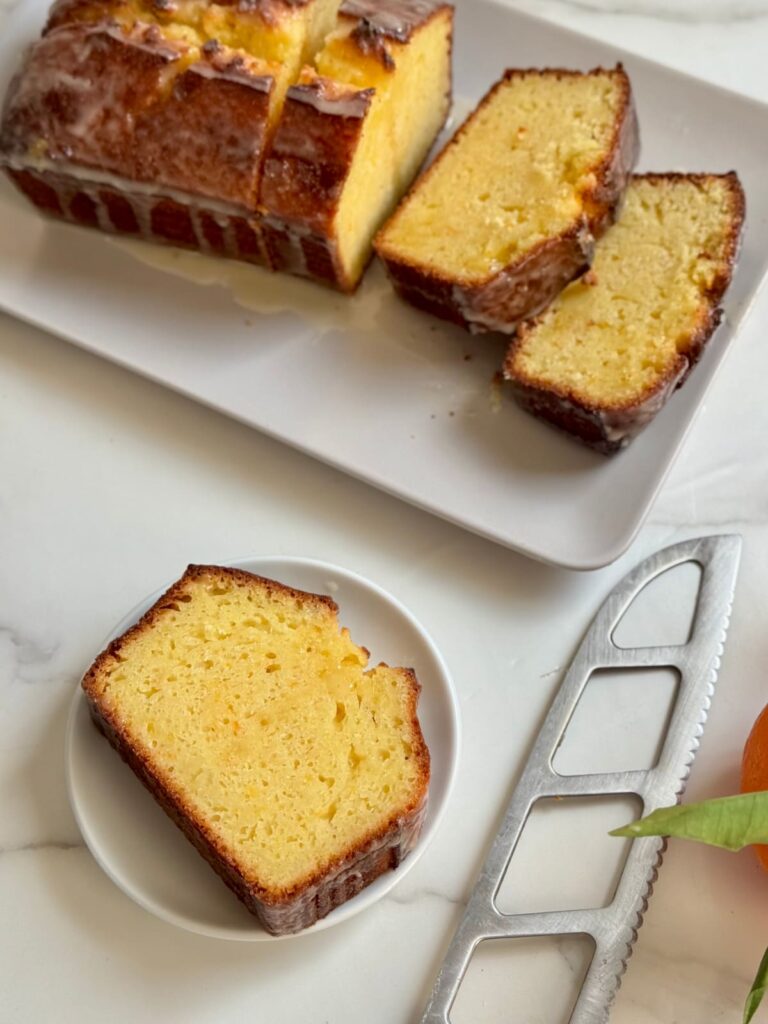
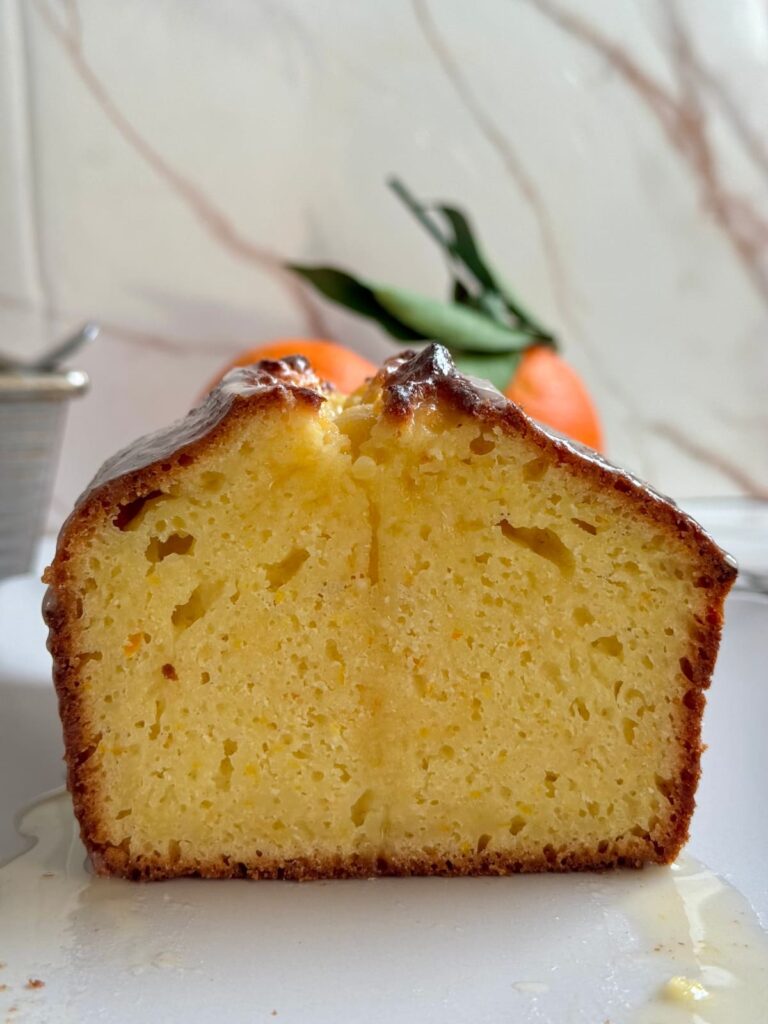
A bright, citrusy twist on a buttery classic. This Iced Orange Bread features a tender, dense crumb bursting with fresh orange flavors and creamy butter. Crowned with a simple, crisp orange icing, it is a stunning treat that speaks for itself.
This post may contain affiliate links. Read our disclosure policy.
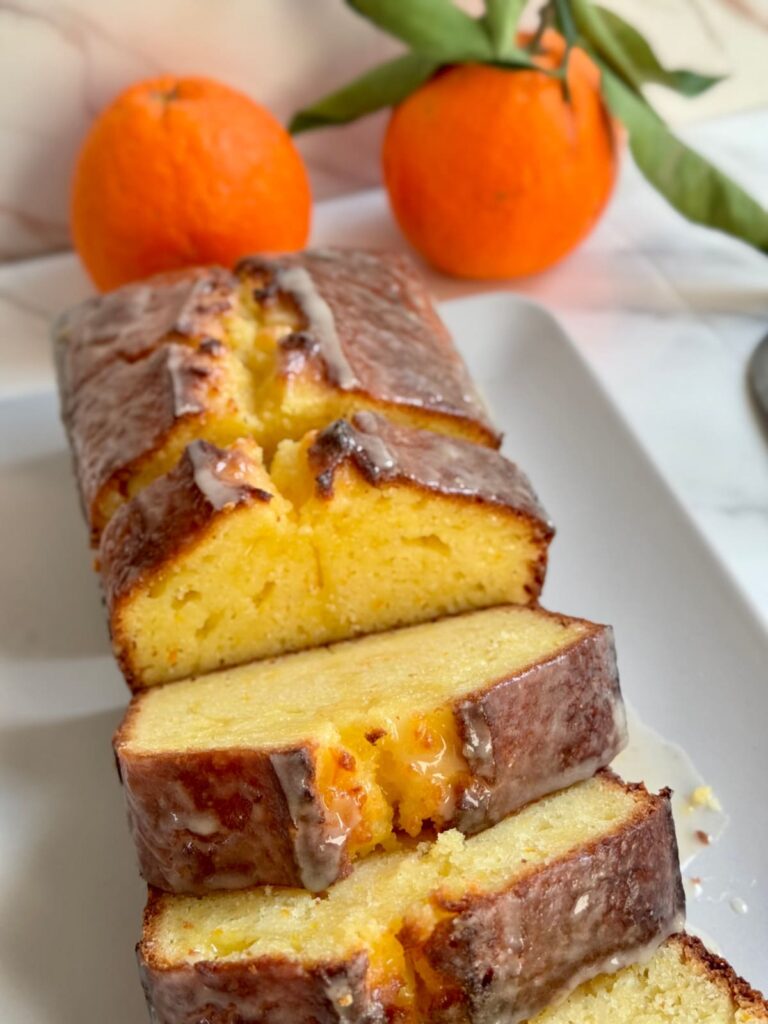
PS: This orange batter also performs beautifully as muffins or mini loaves; details are included in the printable recipe.
When winter rolls around, oranges become a staple on our kitchen table. Beyond the boost of Vitamin C, antioxidants, and other health benefits, as I saw in this Healthline article, they bring a unique, comforting, and tangy aroma to baked goods. In fact, I love them so much that I’ve created dozens of orange-infused recipes, including banana orange bread, cranberry orange bread, blueberry orange bread, and even treats like these orange sweet rolls, orange scones, or cranberry orange scones. Whether you enjoy them for breakfast, a mid-afternoon tea break, or a light dessert, they are a refreshing winter treat that fits any time of day, just like this orange loaf.
By the way, if you love trying lemon recipes, I already have recipes for lemon bread, lemon poppy seed bread, and lemon scones—even this pistachio bread features a bright boost of lemon.
Here’s Why You’ll Love this Orange Bread
One of the many things I love about this recipe is the aroma that fills the kitchen as it bakes. During the short, busy days of winter, this bread fills the house with a cozy, sun-kissed scent that feels like a bright winter morning. If you need even more convincing, this recipe is:
- Not overly sweet, letting the fresh orange flavor truly shine
- Quick & easy, requiring only one bowl for easy cleanup
- Perfect for any time of day
- Versatile and adaptable into muffins or mini loaves (see notes)
- Delicious with or without the icing
- Freezer-friendly
Best Ingredients to Use
You’ll need just 10 simple ingredients to make this orange batter. I recommend sticking closely to the recipe, as each ingredient plays a specific role. I’ve experimented with various measurements and swapped many ingredients, and I’ve found that the only substitution that works perfectly is using sour cream in place of yogurt. Beyond that, I don’t recommend any other changes.
Wet Ingredients: Start with sugar and the zest of one fresh orange, then you’ll need a room-temperature dairy (butter + yogurt), oil for moisture (which also keeps the bread fresh longer), two eggs, and orange juice.
Dry Ingredients: You’ll need the usual for most quick bread recipes—all-purpose flour, baking powder, baking soda, and salt. The flour measurement isn’t a misprint! You truly need 2 and ⅓ cups (280g) to balance out the generous amount of wet ingredients in this recipe.
If you’re looking for recommendations, here are the citrus zester and the citrus juicer I love to use.
FAQs
What are the best oranges to use for baking?
For the best baking result, choose oranges that offer a perfect balance of sweetness and acidity with oil-rich skins, so avoid bitter, sweet, and old, soft oranges. If you’re baking a recipe that calls for orange, such as orange rolls, orange scones, or orange cranberry bread, use Valencia, Navel, or Blood oranges. This orange quick bread requires 2 or 3 oranges. I use Navel oranges because they are seedless, easy to peel, and their thick skins make zesting a breeze.
How to Make Orange Bread in One Bowl
We’ll bake this sweet bread at 325°F (163°C), the same temperature I use for most of my quick bread recipes, like this apple cinnamon quick bread. Grease an 8.5×4.5-inch loaf pan with nonstick spray (you can also use a 9×5-inch pan, though the loaf will be slightly shorter). I’m using my favorite 8.5×4.5-inch USA Pan loaf pan pictured below. It’s a baking staple that you can find almost anywhere.
You’ll whisk the wet ingredients together, then add the dry ingredients and mix until combined.
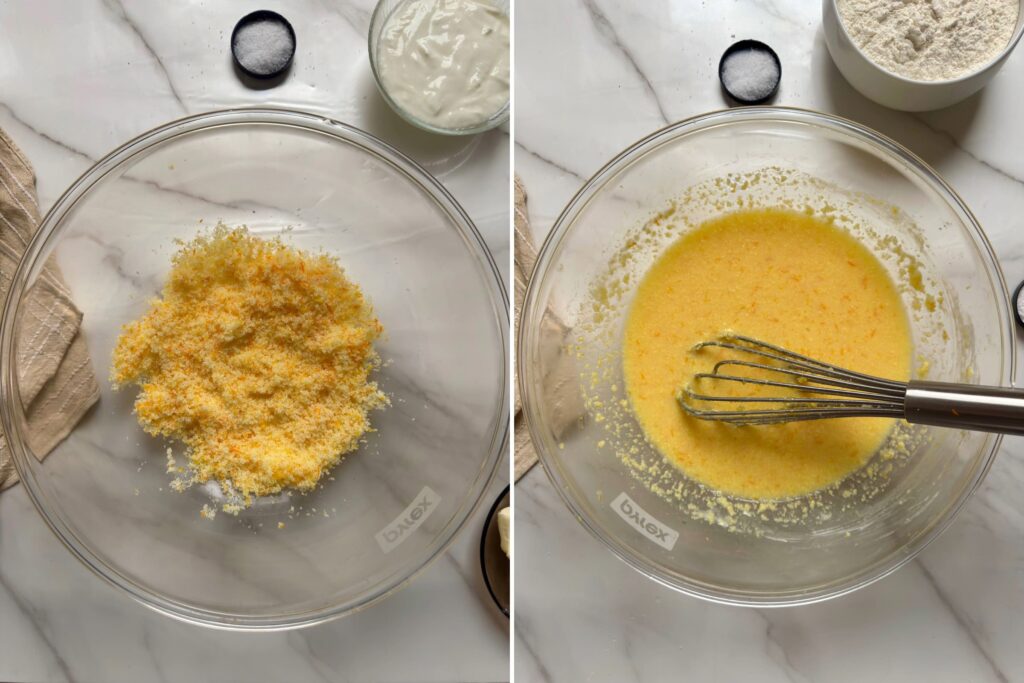
After zesting and juicing your oranges and prepping your ingredients, rub the sugar and orange zest together until fragrant and pale orange. Beat in the softened butter until light and creamy; I use a fork followed by a spatula, but a hand mixer will make this much easier. Whisk in the yogurt, then the oil, then add the eggs one at a time, mixing well after each addition.
Add the dry ingredients and mix until just combined, then finish by pouring and spreading the batter into the prepared baking pan. The batter will be thick, but that is perfectly fine because we use many more wet ingredients than usual in this batter.
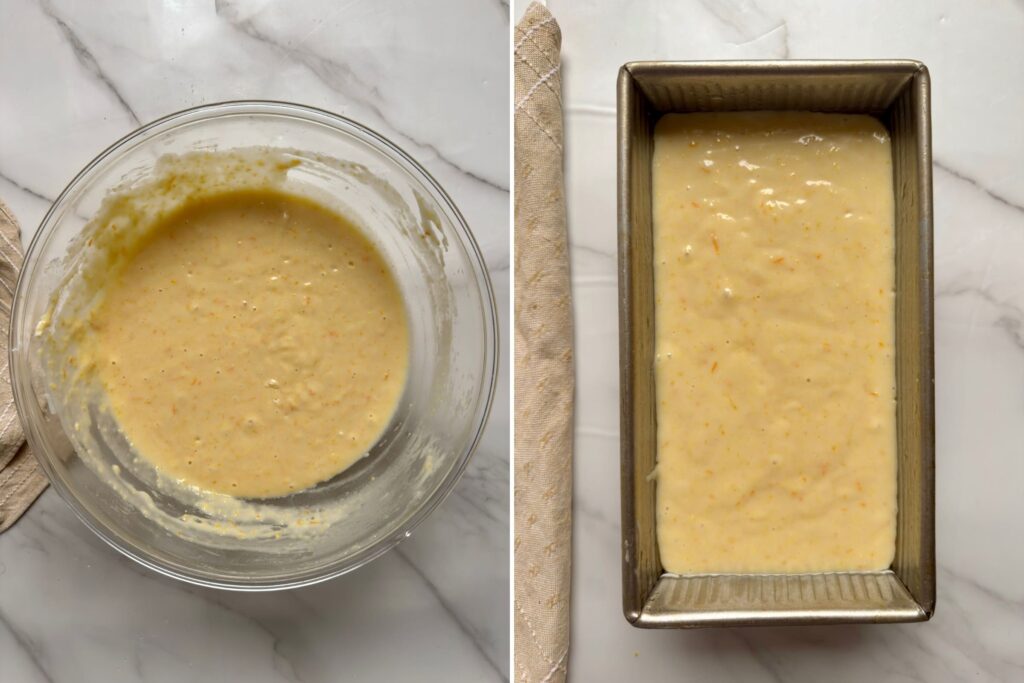
To know when your bread is perfectly baked, use a toothpick test: insert one into the center, and if it comes out clean, you’re good to go. While this usually takes me about 55 minutes, keep an eye on your oven as your timing may vary by a few minutes. Tent the bread with aluminum foil or parchment paper after 30-35 minutes to prevent the top from over-browning before the center can cook.
Let the orange bread cool in the pan for 10–15 minutes, then carefully remove the loaf from the pan and transfer it to a wire rack to cool completely before icing.
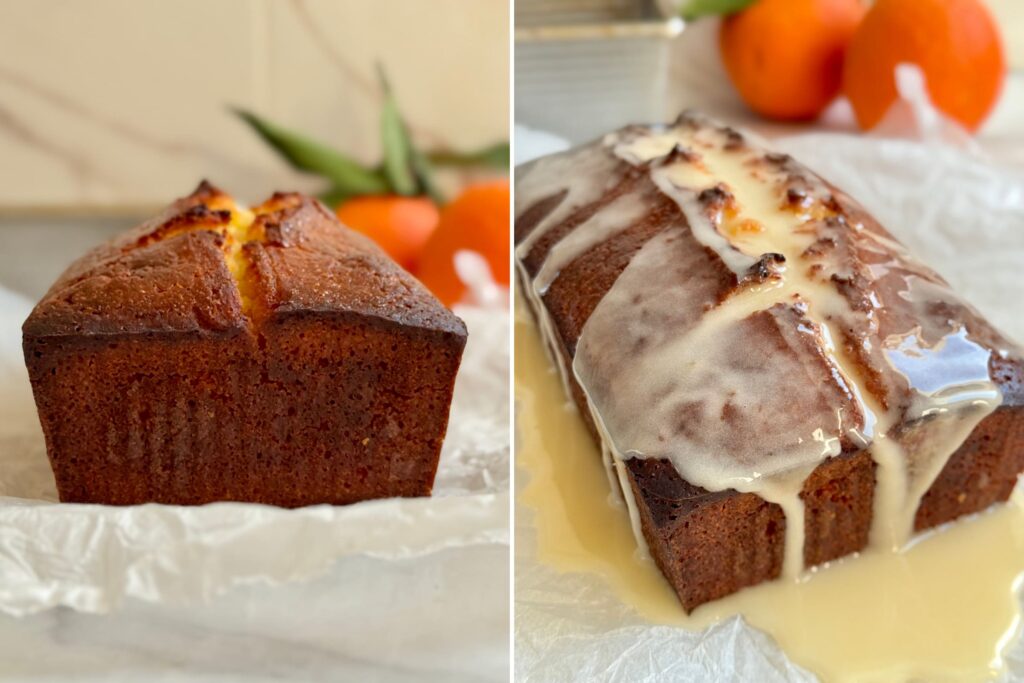
Optional Orange Icing
The finishing touch on this loaf is a vibrant orange icing that is as simple as it is delicious. Made with just two ingredients and whipped up in seconds, it’s the perfect way to brighten the flavor. Simply whisk together 1/2 cup of confectioners’ sugar and 4 tablespoons of orange juice until smooth. If you’d like to dress it up for a beautiful presentation, top the loaf with candied orange slices. They add a lovely, chewy texture and a professional, sweet decoration to the final product.

More Citrus Recipes
Made this recipe? Share your baking adventure and let me know how it turn by leaving a ★★★★★ star rating and a review below. Be sure to follow me on Pinterest, Facebook, YouTube, and Instagram, and don’t forget to subscribe to my free newsletter!

Orange Bread Recipe
Ingredients
Bread
- 1 cup (200 grams) granulated sugar
- 2 tablespoons orange zest from 1 large orange
- ¼ cup (56 grams) unsalted butter, softened to room temperature
- ⅔ cup (160 grams) plain yogurt, at room temperature
- ¼ cup (60 ml) vegetable oil
- 2 medium eggs, at room temperature
- 1 cup (250ml) fresh orange juice, from 2 large oranges
- 2 and ⅓ cups (280 grams) all-purpose flour, spooned & leveled
- 1 and ½ teaspoons baking powder
- ½ teaspoon baking soda
- 1 teaspoon salt
Orange Icing
- 4 tablespoons fresh orange juice
- ⅔ cup (120 grams) confectioners’ sugar, sifted
Instructions
- Adjust the oven rack to the lower-third position and preheat the oven to 355°F (180°C). Lightly grease an 8.5×4.5-inch loaf pan with nonstick spray or line it with parchment paper. Set aside.
- Make the batter: In a large bowl, use your fingertips to rub the granulated sugar and orange zest together for about 45-60 seconds until the sugar is fragrant and pale orange. Mash in the softened butter with a fork until all the butter is incorporated, then switch to a wooden spoon or spatula and stir vigorously until light and creamy, about 4-5 minutes. Whisk in yogurt, then oil. Add the eggs one at a time, beating well after each addition. Stir in the orange juice. Gently fold in the flour, baking powder, baking soda, and salt until just combined. Do not over-mix—a few small lumps are better than an over-mixed batter.
- Pour and spread the batter into the prepared baking pan.
- Bake the bread: Bake for 55-60 minutes, tenting loosely with foil at the halfway mark to ensure even browning. Test for doneness by inserting a toothpick into the center; it should come out clean. Note that baking times may vary between ovens. While my quick loaves typically bake at 55 minutes, use the toothpick test as your primary guide for doneness.
- Let it rest in the pan for 10–15 minutes before removing bread to cool completely on a wire rack for at least 1 hour.
- Make the Icing (optional): In a small bowl, whisk the icing ingredients until the texture is perfectly smooth. Generously drizzle or pour the glaze over the cooled bread. Slice and serve immediately.
- Store leftover bread in an airtight container for up to 3 days at room temperature or up to 1 week in the refrigerator.


