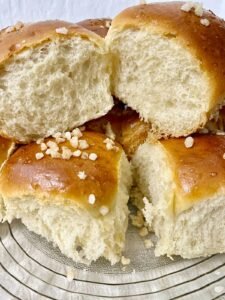
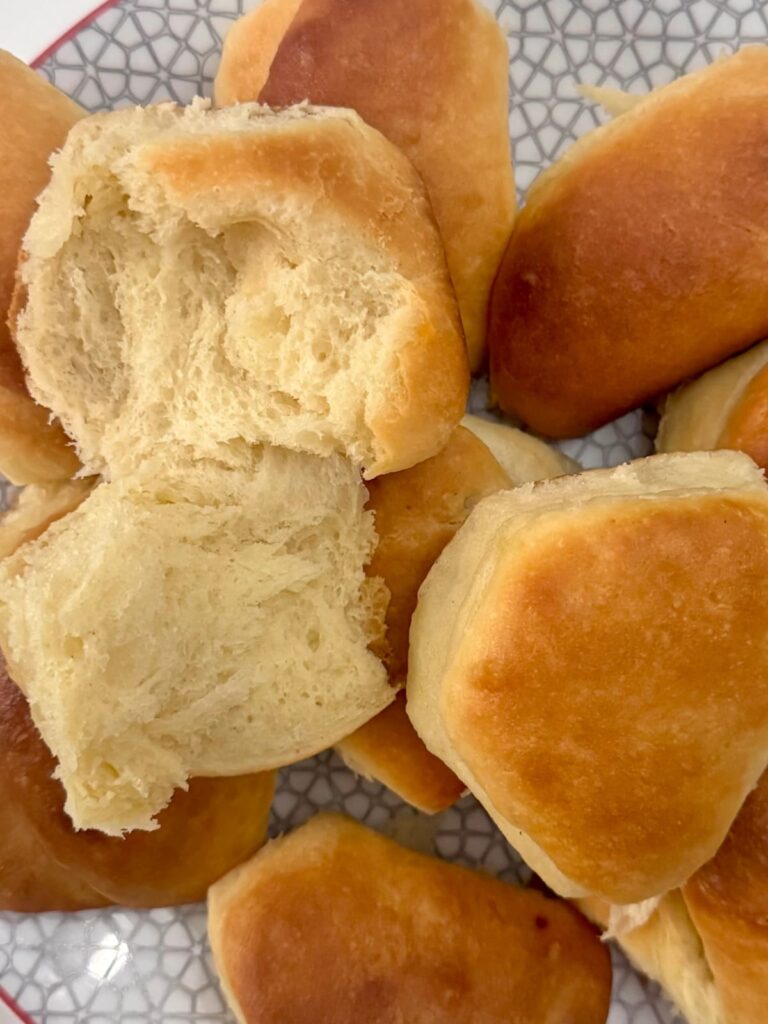
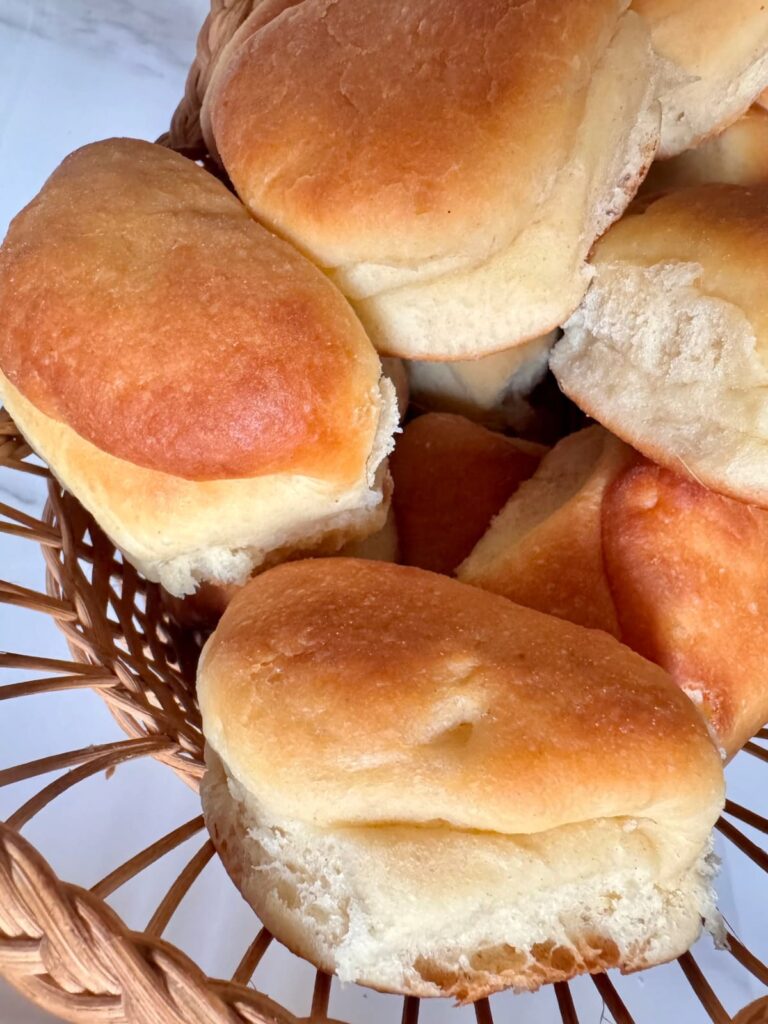
Soft, light, and pillowy, these homemade Parker House rolls boast the luxurious flavor of dairy (butter & whole milk). Made from 7 ingredients enriched dough that yields an irresistibly tender, fine-grained texture, this buttery Parker House rolls recipe is a welcome, flavorful addition to any meal or dinner occasion. See recipe Notes for freezing and make-ahead instructions.
This post may contain affiliate links. Read our disclosure policy.
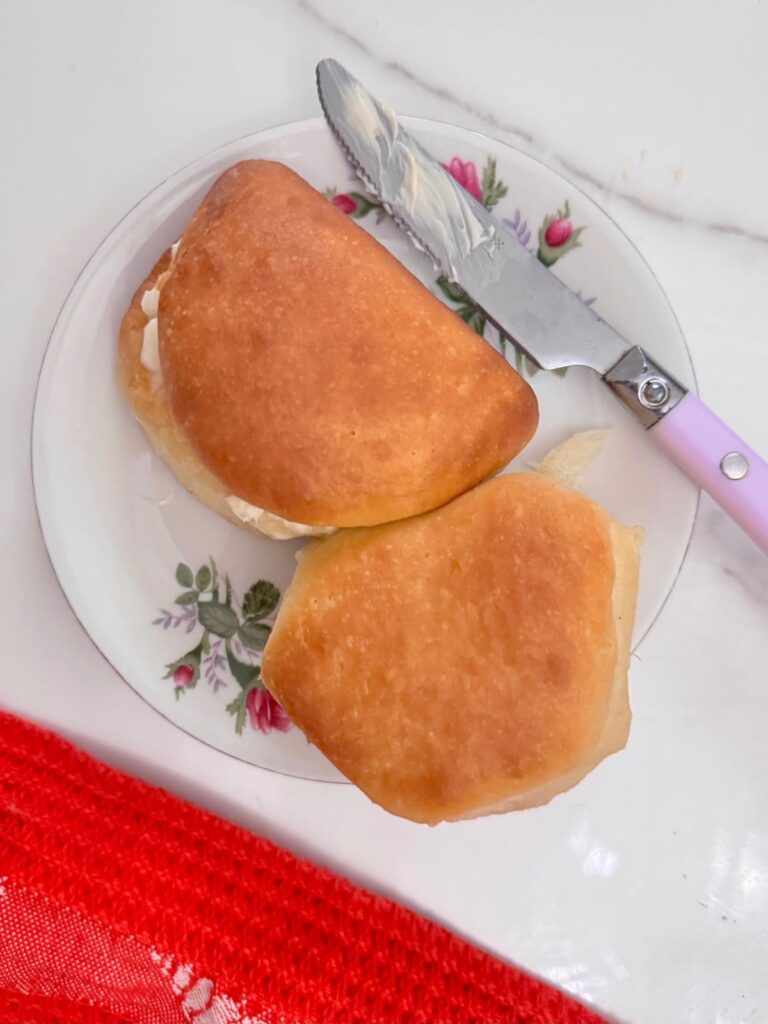
There’s no arguing that homemade rolls are delicious, but making them from a dough that includes plenty of butter, eggs, and milk—plus brushing them with even more butter during shaping and before and after baking—truly transforms ordinary rolls into a flavorful indulgence. Let me show you exactly how to make the best Parker House rolls so you can enjoy this flavorful indulgence, too!!
Parker House Rolls Details
- Flavor: Today’s rolls combine the richness of whole milk and the sweetness of sugar with the luxurious taste of rich, unsalted butter, likely similar to French brioche. If you love the rich, buttery flavors in this recipe, try these milk brioche rolls next!
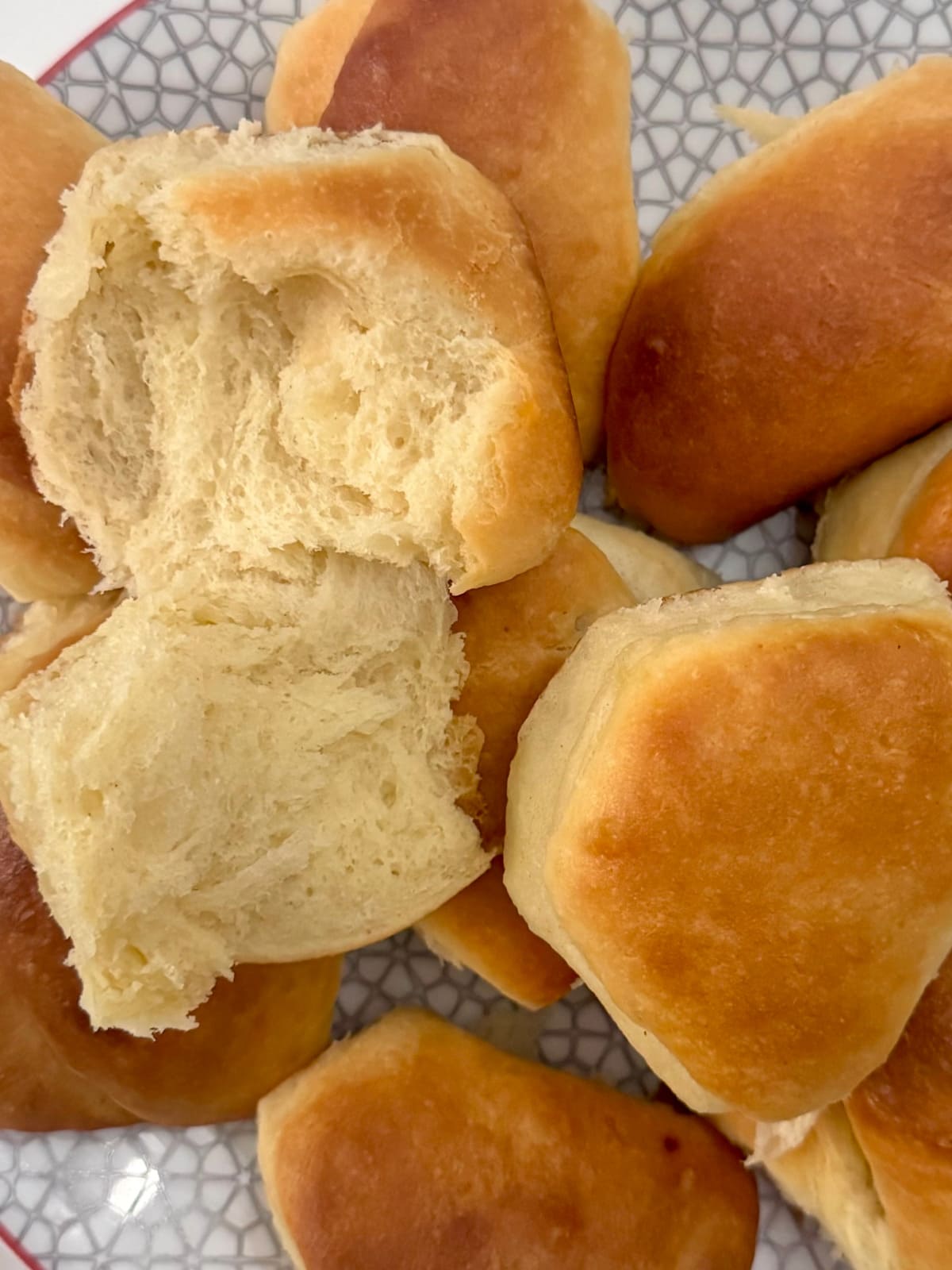
- Texture: These classic parker house rolls are made from a rich dough rather than lean varieties like these Mexican rolls, so the texture is incredibly soft, light, and pillowy, similar to Swiss Zopf. When you pull a roll apart, the interior is fine-grained and highly tender.
- Ease: Enriched bread or rolls can seem intimidating, but the recipe below is overfilled with comprehensive details and specific techniques to guide you through every step, so you can proceed with confidence! If you’re new to working with enriched dough, start by reading my mastering rich dough article.
- Time: Making rolls from scratch does require time, but the process is quite flexible and perfect for make-ahead preparation and freezing. While the full process takes at least three hours from start to finish, keep in mind that most of this time is hands-off, as it requires an hour to rest and at least another hour to rise.
What is Parker House Rolls
Gorgeously golden and irresistibly pillowy-soft throughout, traditional Parker House rolls are a distinctly folded, pocketbook-shaped classic that originated at the Parker House Hotel in Boston during the 1870s. These rolls are fundamentally an enriched bread, meaning the dough is made with a rich, milk-based dough that includes eggs and a large amount of butter, giving them a fine, tender crumb and a rich, subtly sweet flavor.
Their iconic shape—created by flattening the dough and folding it in half over melted butter—was supposedly the accidental result of a disgruntled hotel baker throwing unfinished rolls into the oven after an altercation with a guest, as I learned from this New English article.
Ingredients You Need for This Rich Dough:
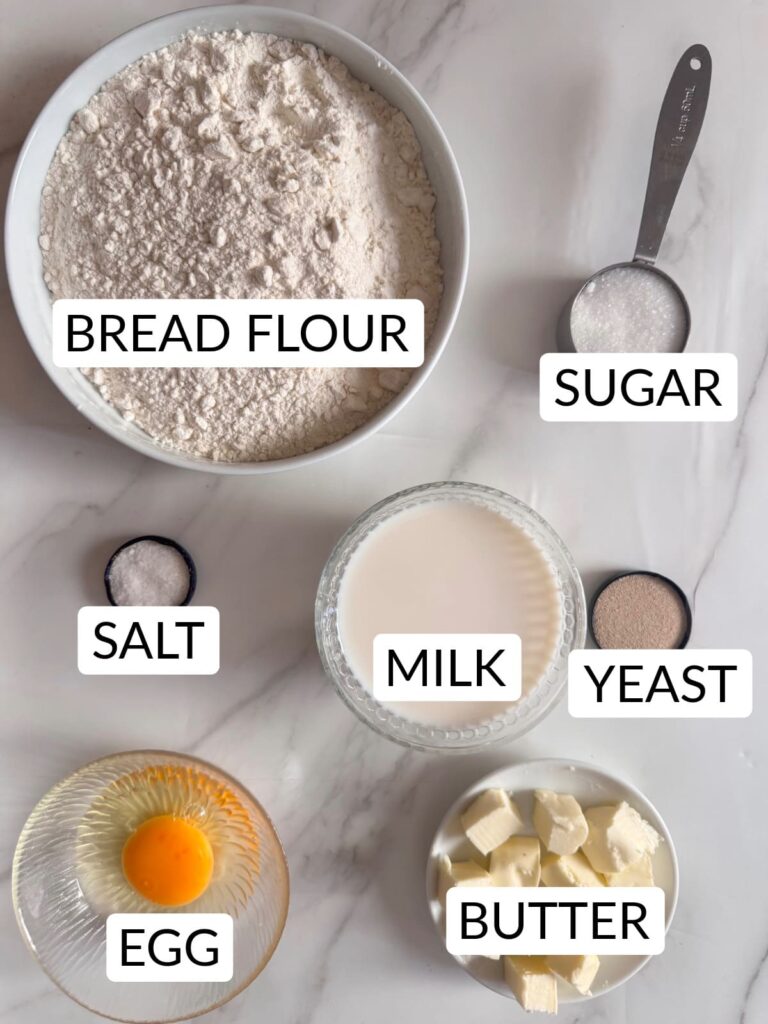
You need 7 ingredients altogether. They’re the same ingredients in my soft milk brioche rolls, which is a rich dough too. However, Parker House roll require more butter and a bit more time for shaping.
The other main difference you’ll see between this recipe for parker house rolls compared with many of my yeast bread recipes is the temperature of the milk and egg. I’ll explain why below.
- Milk: Cold milk is a crucial ingredient in any rich dough, as it prevents the dough from overheating during mixing, thereby regulating yeast activity and keeping the dough cohesive. For the best rolls, use whole milk, but skimmed milks work too.
- Egg: 1 egg provides structure and flavor.
- Salt: You can’t make flavorful rolls without salt!
- Yeast: You can use active dry yeast or instant yeast. If using active dry yeast, the rise time will be a little longer. So, I recommend staying with instant yeast for shorter times.
- Sugar: Sugar feeds the yeast, increases its activity, and tenderizes the dough. Plus, it gives these rolls a slight sweetness that balances the richness of the butter and milk.
- Flour: No matter what you have read elsewhere, you need bread flour for the best results in this recipe. While all-purpose flour is a convenient substitute that works well in most recipes, including this one, bread flour always produces a superior texture in rich doughs.
- Butter: Butter promises a flavorful and soft dinner roll. Make sure it’s softened to blend smoothly and evenly with your dough. You need to add it after the gluten is well developed.
If you are new to baking or want a deeper understanding of the science behind these ingredients, read this article.
Key Steps in This Recipe
Start by adding all the ingredients in the bowl of your stand mixer except the butter in this order: milk, egg, salt, yeast, sugar, and flour.
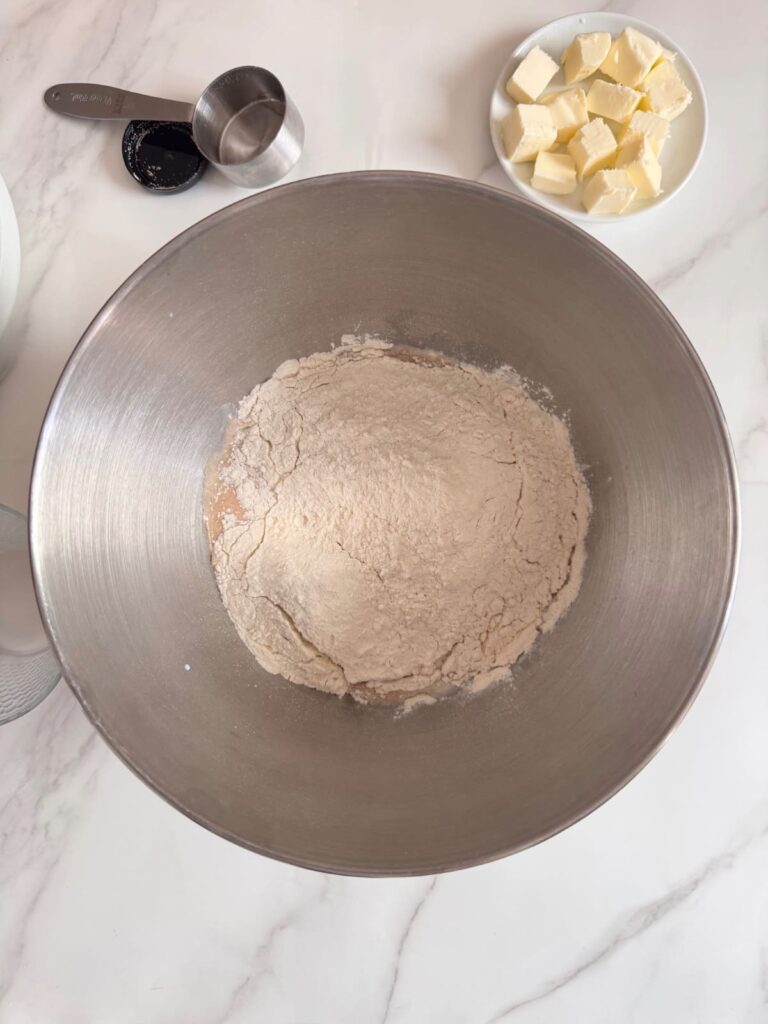
Start the mixer on low speed and allow the dough hook to combine the ingredients thoroughly. Scrape down the sides of the bowl periodically to ensure even mixing. The dough will appear shaggy at first, but should eventually form a cohesive mass around the dough hook. If the dough is too sticky and clings to the bottom or sides of the bowl, add 1 tablespoon of flour at a time until the dough pulls away from the sides.
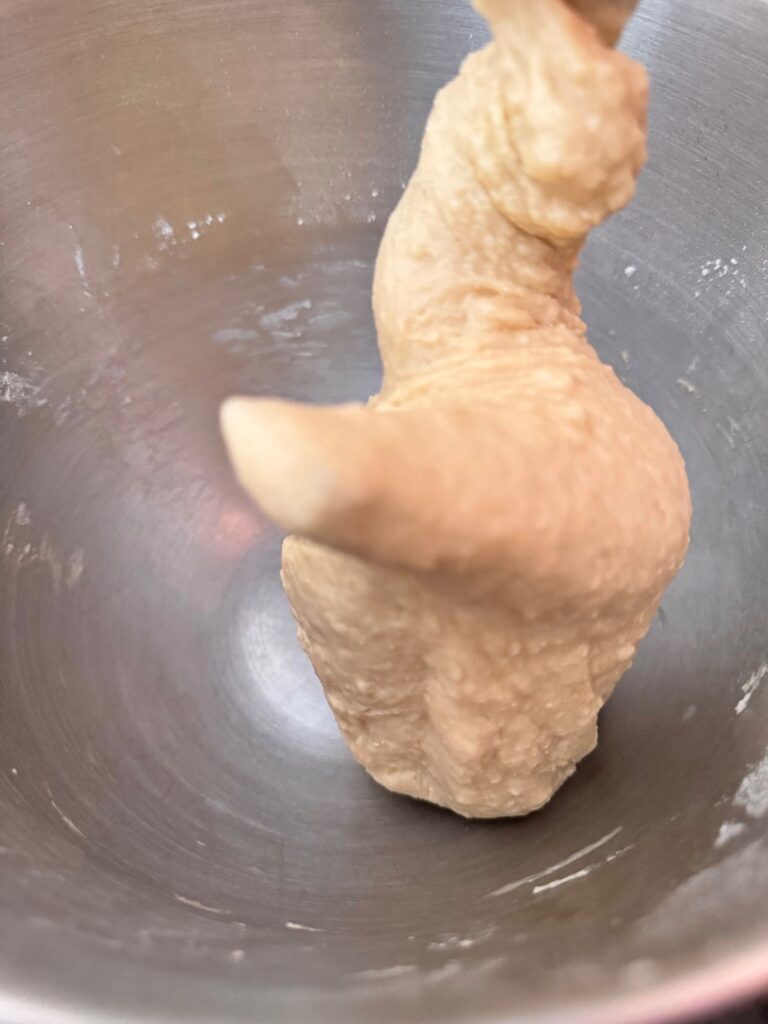
Increase the mixer speed to medium and let it run for 6 minutes, or up to 8 minutes maximum, if needed. The dough must be well-developed before finishing this process. Midway through this kneading time, stop the mixer and briefly remove the dough from the hook twice to ensure uniform kneading. At the end of this step, the dough should be completely wrapped around the dough hook and lightly slapped on the sides of the bowl. If the dough becomes too sticky and starts clinging to the bottom or sides of the bowl again, add 1 teaspoon of flour at a time. The dough must feel smooth, uniform, and elastic.
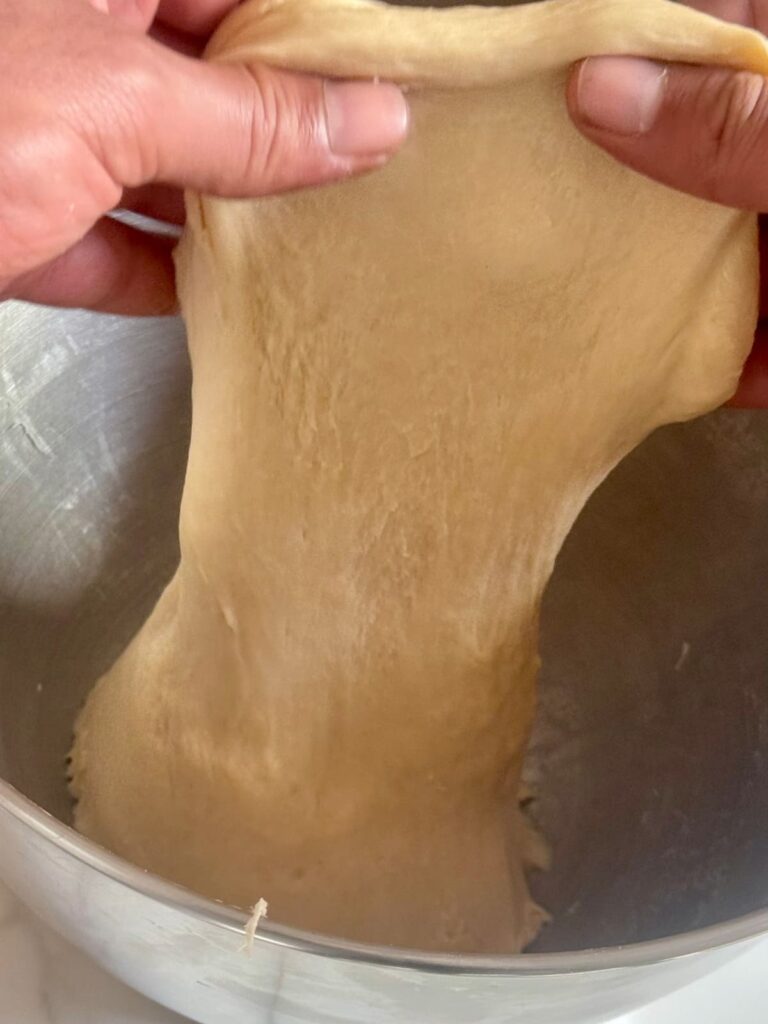
Once your dough has been properly kneaded, it’s time to add the butter and bring everything together.
With the mixer running on low speed, add the softened butter, two pieces at a time. Wait for the butter to be completely incorporated into the dough before adding the next two pieces. Use a spatula if needed to help guide the mixture. This step can take 2 to 3 minutes total. Once all the butter has been incorporated, let the mixer run for an additional 3 minutes until the dough becomes very soft, shiny, and elastic. The dough should gather around the dough hook and lightly slap the sides of the bowl again.
Now that your dough has reached this point, shape it into a ball and place it immediately into a buttered bowl.
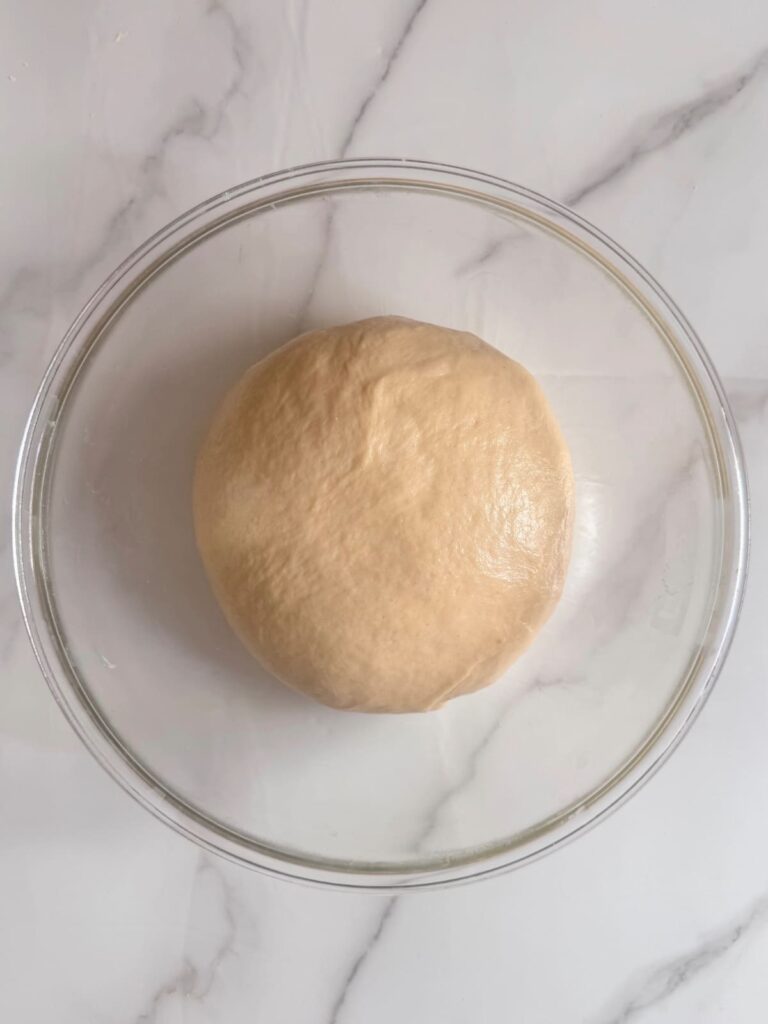
Cover with plastic wrap and refrigerate for 1 hour, or up to 24 hours.
Shaping Parker House Rolls
Bakers can use many different methods to shape Parker House rolls, but the technique I am showing here is the original method mentioned earlier.
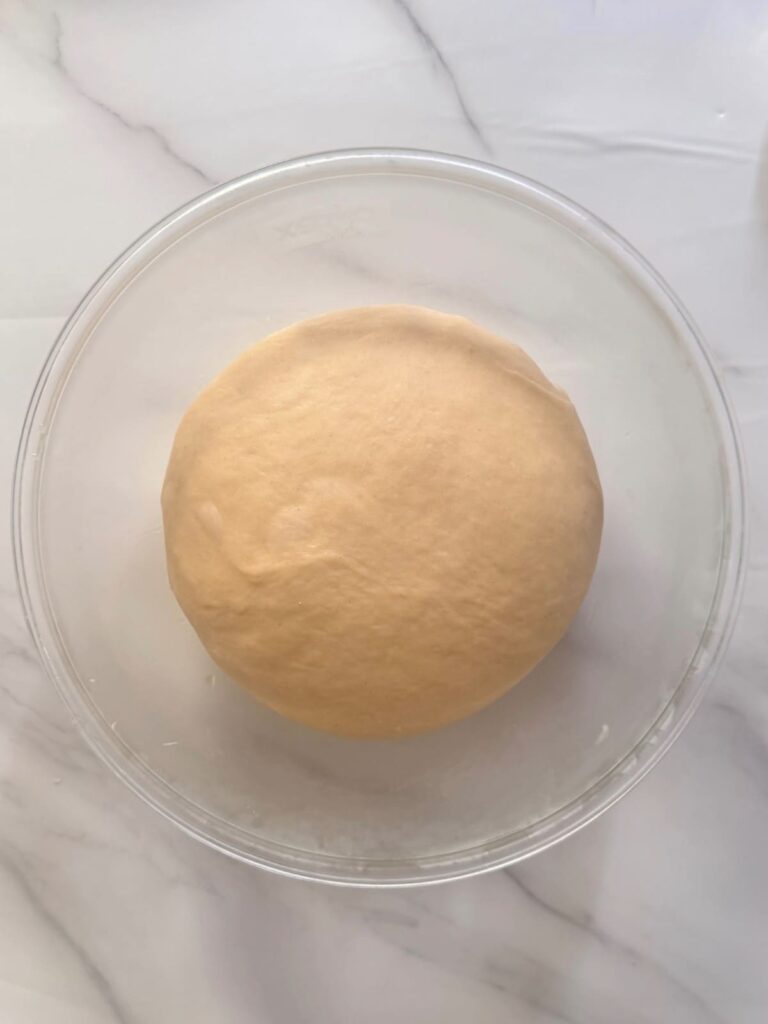
When you remove the dough from the refrigerator, you will notice it is slightly firmer and colder than before chilling. This is because the butter will have solidified, making the dough much easier to handle and shape.
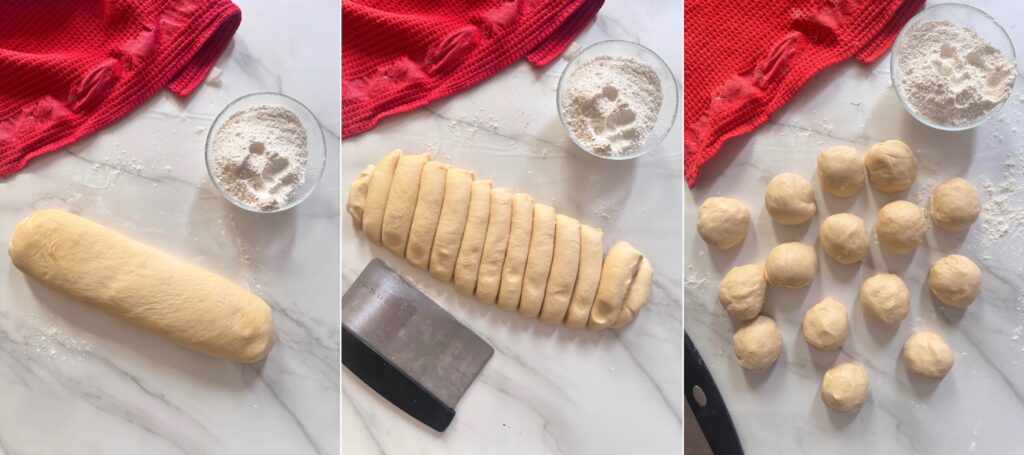
Take one dough ball at a time, and working on a lightly floured surface with a floured rolling pin, roll it out into an oval shape that measures approximately 2.5×4 inches (6x10cm) and about 1/4 inch thick.
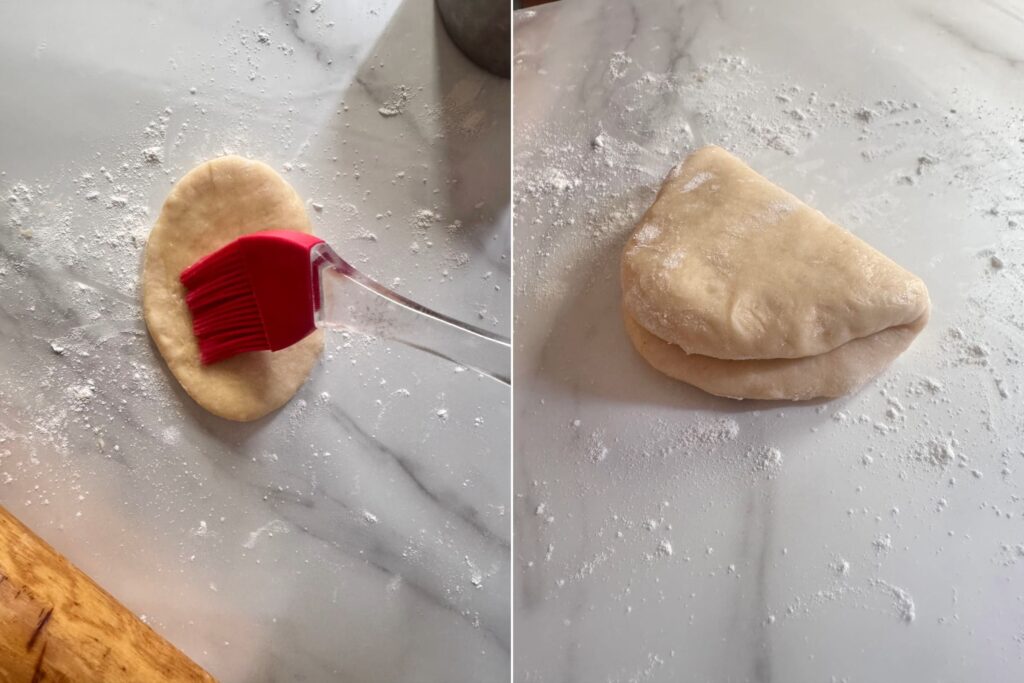
Generously brush the entire surface of the rolled-out oval with melted butter—this is key to preventing the two sides from sticking together. Then, fold one half over the other, aligning the edges as closely as possible.
Place each shaped roll into the greased baking dish, arranging them as shown in the next photo.
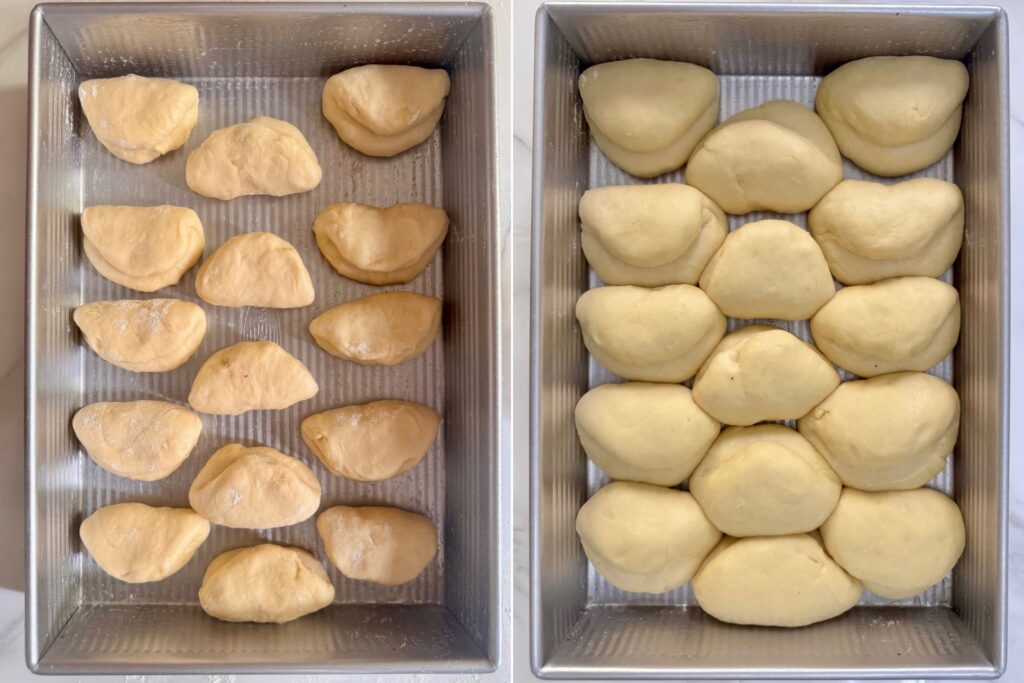
Cover and let the rolls rise at room temperature until they are visibly puffy and nearly doubled in size. The rise time generally takes me about 1.5 to 2 hours, but it can be shorter or longer for you depending on your kitchen’s temperature. (You can see the exact temperature I used for this recipe in the notes below.) During this rise, you may notice the roll proof slightly slowly during the first 45 minutes, then accelerate quickly during the second half of the time.
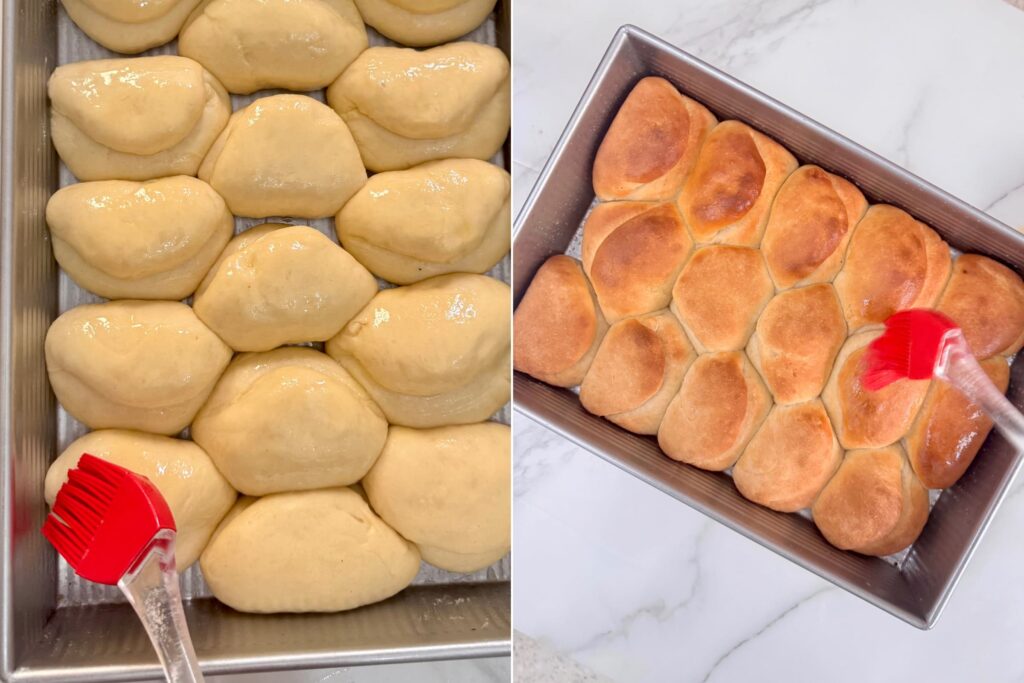
Just before baking, brush the top of the rolls with melted butter. Bake for 20 minutes, and for a glossy, flavorful finish, brush the baked rolls one more time as soon as they come out of the oven.
3 Success Tips
- Reference my mastering rich dough, which includes essential baking tips tailored specifically for rich, tender doughs.
- Make sure to use cold milk and egg.
- Measure all ingredients precisely using a kitchen scale to avoid issues like a dense or overly wet dough.
More Bread Rolls Variations
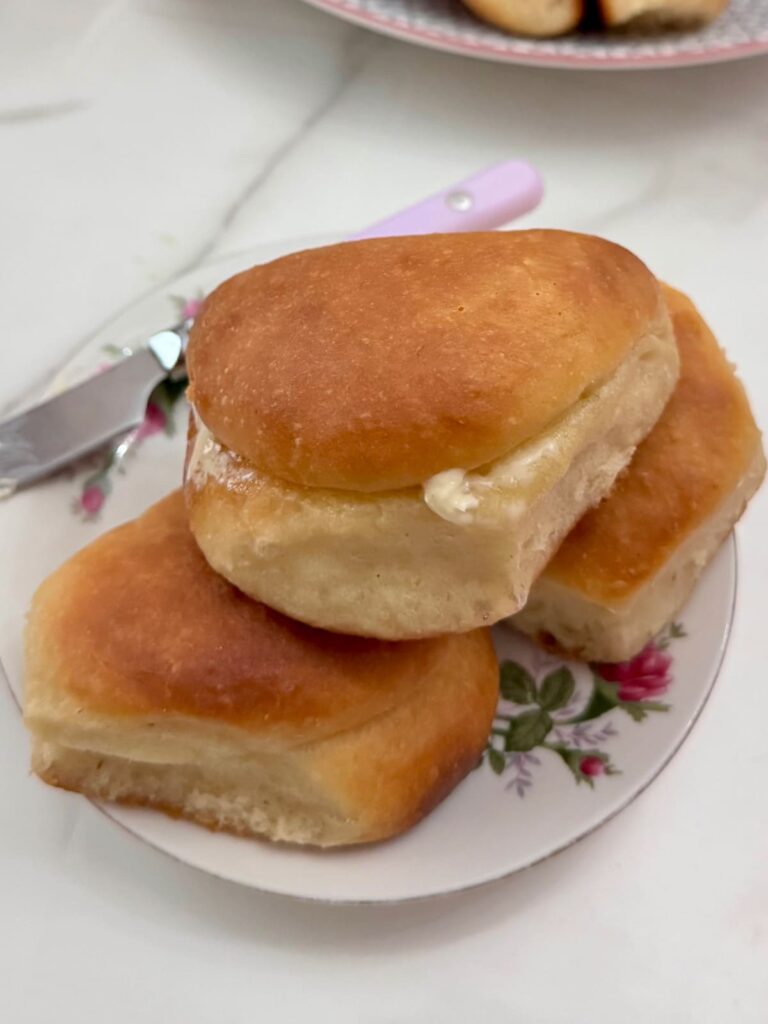
Made this recipe? Share your baking adventure and let me know how it turn by leaving a ★★★★★ star rating and a review below. Be sure to follow me on Pinterest, Facebook, YouTube, and Instagram, and don’t forget to subscribe to my free newsletter!
Parker House Rolls
Ingredients
- 227 grams (1 cup) whole milk, cold
- 1 large egg, cold
- 8 grams (1.5 teaspoons) sea salt
- 7 grams (2 and ¼ teaspoons) instant yeast
- 50 grams (¼ cup) granulated sugar
- 420 grams (2 and ¼ cups) bread flour, plus more as needed
- 75 grams (5 tablespoons) unsalted butter, softened and cubed
- Brush & Wash: 50 grams ((3.5 tablespoons) melted unsalted butter)
Instructions
- Make the dough: Add whole milk, egg, salt, yeast, sugar, and bread flour to the bowl of a stand mixer fitted with a dough hook. Beat on low speed for a full 4 minutes until the dough comes together and gathers around the dough hook. The dough should be moist and tacky at the end of this step. Scrape down the sides of the bowl to ensure all the ingredients are incorporated. If the dough is too sticky and clinging to the sides of the bottom of the bowl, add 1 tablespoon of flour at a time until the dough pulls away from the sides while remaining tacky. If too dry/crumbly, add 1 teaspoon milk at a time, mixing well after each addition.
- Knead the dough: Keep the dough in the mixer bowl, increase the speed to medium, and continue beating for an additional 5 full minutes. (New to baking rich doughs? My mastering rich dough article provides helpful guidance.) Midway through the 5 minutes, stop the mixer and briefly remove the dough from the hook twice to ensure homogeneous dough. If the dough becomes too sticky and starts clinging to the bottom or sides of the bowl again, add 1 teaspoon of flour at a time. Do not add much more flour, as the dough should remain supple, not dry. The dough must feel smooth, uniform, and elastic. To check if your dough is properly kneaded, you can do the windowpane test: take a small piece of dough and stretch it gently. If you can stretch it thin enough to see light through it without tearing, it's ready. If it tears, continue kneading for 1-minute intervals until it passes the test. At the end of the kneading process, listen for the dough to slightly slap the sides of the bowl—this indicates proper development.
- Incorporate the butter: With the mixer running on low speed, add the cold butter two pieces at a time, waiting until each addition is fully incorporated before adding the next two cubes. Use a spatula as needed to ensure all butter is picked up by the dough. This incorporation process should take 2 to 3 minutes total. You may notice that half of the dough adheres to the bottom of the bowl and the other half clings to the dough hook—that's perfectly fine. Once all butter has been added, continue mixing on low speed for another 3 minutes until the dough becomes very soft, shiny, and elastic. The dough should gather around the dough hook and lightly slap the sides of the bowl again.
- Refrigerate the dough: Grease a large bowl with butter. Use a bowl scraper (it's very helpful when working with rich dough) to remove the dough from the mixer. Shape the dough into a smooth ball. Place the dough into the bowl and turn it to coat all the sides with butter. Cover the bowl tightly with plastic wrap and refrigerate for 1 hour, or up to 24 hours.
- Grease a metal 9×13-inch baking pan with butter or line it with parchment paper.
- Shape the rolls: Remove the dough from the refrigerator and turn it out onto a lightly floured work surface. Shape the dough into a large log, then use a bench scraper (it's always helpful for cutting dough) to divide it into 15 equal pieces. Each piece should weigh about 2 ounces (54 grams). Roll each piece into a smooth, uniform ball and arrange on the work surface. Take one dough ball at a time and work on a lightly floured surface with a floured rolling pin. Roll it out into an oval shape measuring approximately 2.5×4 inches (6x10cm) and about 1/4 inch thick. Brush the top surface with melted butter, then fold it in half lengthwise. Place on the prepared baking pan. Repeat the process with the 14 remaining balls.
- Rise: Cover the shaped rolls tightly and allow to rise until doubled in size and puffy, about 1.5 to 2 hours. If it is very cold, place the shaped rolls in a relatively warm environment until they double in size.
- Adjust the oven rack to a lower position and preheat the oven to 350°F (177°C).
- Bake the rolls: When the Parker House rolls are ready, brush the top with melted butter. Bake for 20-25 minutes or until golden brown on top, turning the pan halfway through. If you notice the top browning too quickly, loosely tent a piece of aluminum foil or parchment paper over the top of the pan to prevent the tops from browning too quickly and baking unevenly. Remove the pan from the oven and place it on a wire rack. Immediately, brush the rolls with the remaining melted butter. Allow to cool for a few minutes before serving.
- Cover leftover rolls tightly with plastic or place the bread box. Store at room temperature for 2-3 days.