
You only need three common ingredients—all-purpose flour, baking powder, and salt—to make a homemade self-rising flour recipe. Evenly whisking and sifting is key.
This post may contain affiliate links. Read our disclosure policy.
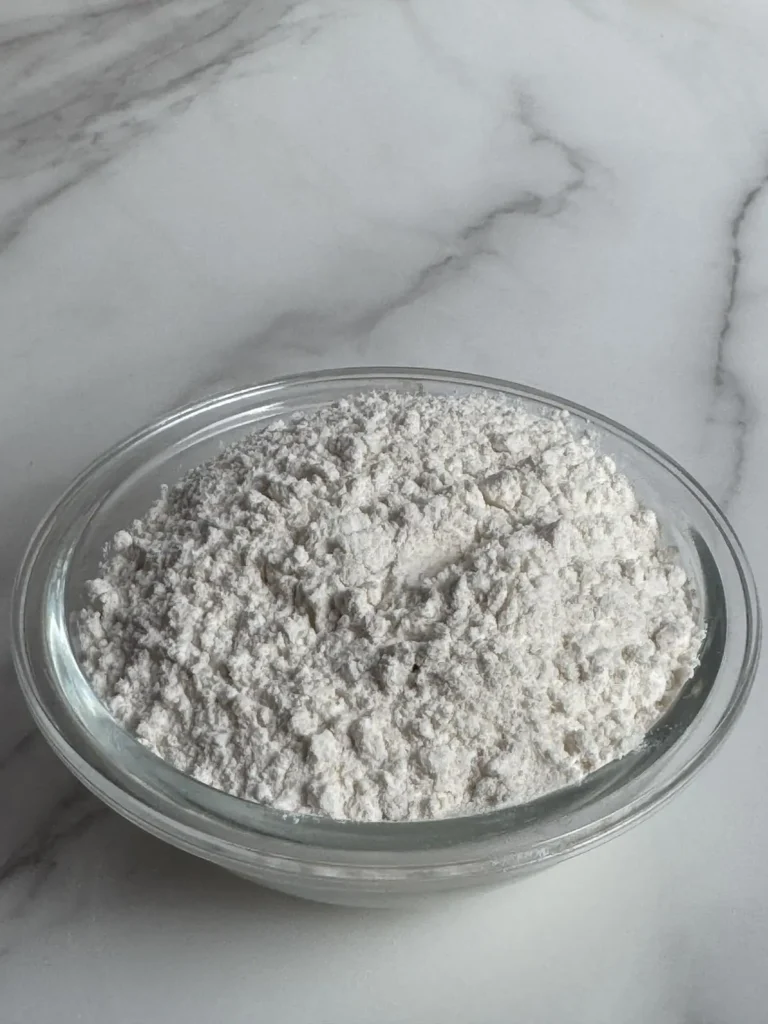
As my baking experience grows, I use self-rising flour more and more during my baking journey, especially in my simple quick breads recipes, to simplify scaling up or down without having to recalculate leavening ratios. There’s no denying that self-rising flour saves a lot of time. I try to keep my pantry stocked with this all-in-one baking solution, but sometimes I run out quickly, especially when testing new recipes. So, when necessary, I always make this super-easy self-rising flour substitute.
What is Self-Rising Flour?
Self-rising flour is an all-in-one baking solution pre-mixed with baking powder and salt. It contains about 10-12% protein, like all-purpose flour, but it is not used in all recipes in the same way. What does this mean? As I said, self-rising flour comes pre-loaded with baking powder ready to make the perfect quick breads, scones, and pancakes, where tenderness matters more than structure, but it doesn’t work in yeast breads that require more gluten formation and volume.
Self-rising flour known as self-raising flour in the United Kingdom and doesn’t contain salt like the American version. If you are curious to learn more about flours, check out this article on 12 types of flour.
Related: What is self-rising flour?
What Does That Mean for Baking?
Self-rising flour contains leavening agents and salt to facilitate home baking. It is created to provide convenience for home bakers to save the time of measuring and mixing leavening agents and salt, ready to take baked goods to perfection.
However, self-rising flour isn’t suitable for every baked good. Some recipes require a stronger structure, like yeast breads, my easy baguette recipe for example, or call for baking soda to react with an acidic ingredient such as buttermilk, orange juice, or lemon juice. In those cases, self-rising flour won’t give the right texture or rise. My orange bread, lemon quick bread, and some acidic fruit breads often need baking soda more than the baking powder found in self-rising flour.
I stick to self-rising flour when making simple recipes like three or four ingredients banana bread, two ingredients scones, or classic Southern biscuits. You can substitute self-rising flour for all-purpose flour in a 1:1 ratio with no other adjustments.
Items You Need
- All-Purpose Flour
- Baking Powder
- Fine Salt
How to Make Homemade Self-Rising Flour
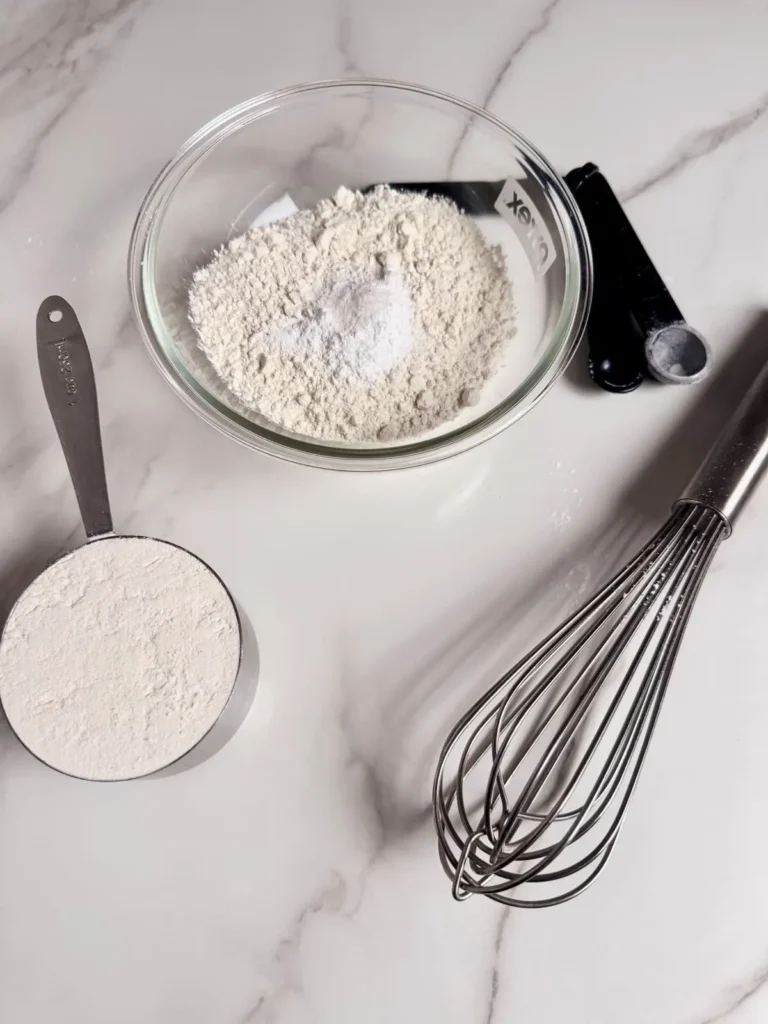
Step 1: Measure one cup (about 120-125g) all-purpose flour, 1 and ½ teaspoons (6g) baking powder, and ¼ teaspoon (1.5g) fine salt into a bowl. Whisk together until evenly combined.
Step 2 (Optional but recommended): Use a sifter to sift the self-rising flour twice to ensure that all ingredients are evenly distributed.
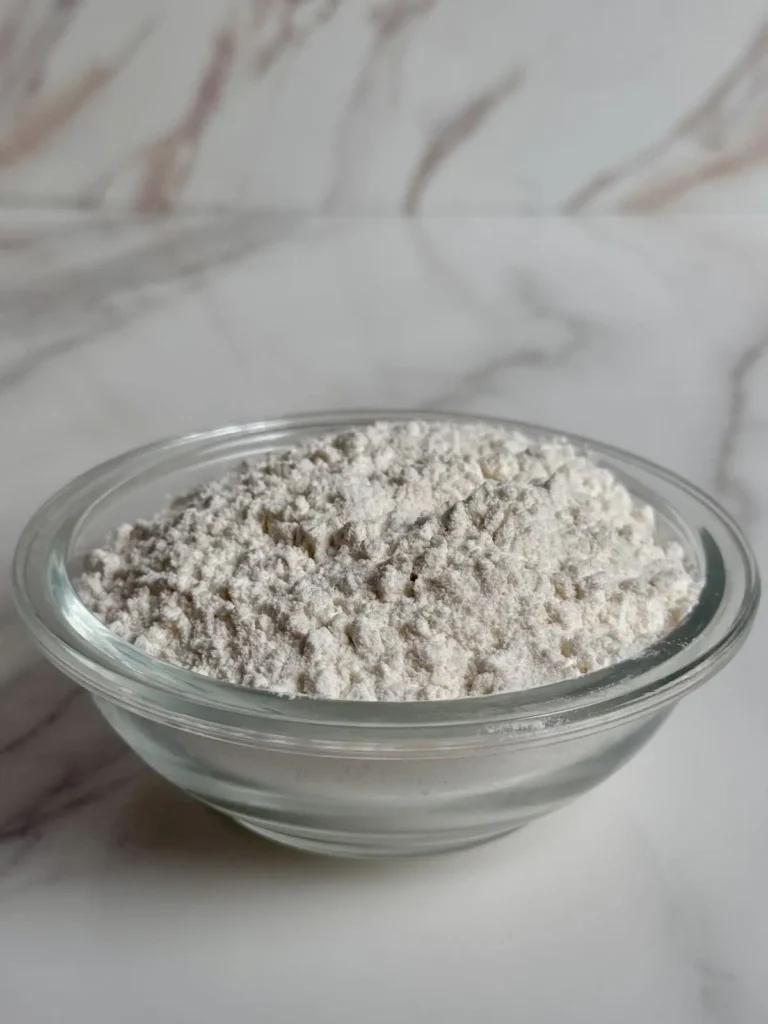
Step 3: Now you have a self-rising flour that you can use in most recipes requiring self-rising flour. If the recipe requires more than 1 cup of self-rising flour, you can do this process in big batches using the Conversion table below.
Note that only delicate baked goods meant to have a fluffy, tender texture should ideally use real self-rising flour. If you’re in a pinch and don’t have enough self-rising flour for their recipes, use this homemade substitute.
You can also use this homemade flour as a substitute for all-purpose flour in your simple recipes, such as my Date Nut Bread and Pistachio Quick Bread. But don’t forget you don’t need to add any extra baking powder or salt to your batter, or your recipe may end up overly salty and bitter.
Here are the 3 steps in pictures


Self-Rising Flour Conversion Table
| Self Rising Flour Needed | All-Purpose Flour | Baking Powder | Salt |
|---|---|---|---|
| 1 cup | 1 cup (120g) | 1 ½ tsp (6g) | ¼ tsp (1.5 g) |
| 2 cups | 2 cups (240g) | 1 tbsp (12g) | ½ tsp (3 g) |
| 3 cups | 3 cups (360g) | 4 ½ tsp (18g) | ¾ tsp (4.5 g) |
| 4 cups | 4 cups (480g) | 2 tbsp (24g) | 1 tsp (6 g) |
| 5 cups | 5 cups (600g) | 2 ½ tbsp (30g) | 1 ¼ tsp (7.5g) |
| 6 cups | 6 cups (720g) | 3 tbsp (36g) | 1 ½ tsp (9 g) |
| 7 cups | 7 cups (840g) | 3 ½ tbsp (42g) | 1 ¾ tsp (10.5 g) |
| 8 cups | 8 cups (960g) | 4 tbsp (48g) | 2 tsp (12 g) |
| 9 cups | 9 cups (1.08kg) | 4 ½ tbsp (54g) | 2 ¼ tsp (13.5 g) |
| 10 cups | 10 cups (1.2kg) | 5 tbsp (60g) | 2 ½ tsp (15 g) |
FAQs
Can I Substitute Self-Rising Flour for All-Purpose flour in Recipes?
Yes, but not always, only if the recipe calls for baking powder and salt, because self-rising flour already contains these two ingredients. However, you will need to add baking soda if the recipe calls for it and omit the additional leavening agent to avoid any strange taste.
Can I use Baking Soda Instead of Baking Powder?
Not directly in your self-rising flour recipe. Baking soda needs an acid such as buttermilk or lemon juice to activate it, while baking powder already contains acid. So avoid using it, and use baking powder for best results.
Can I make Self-Rising Gluten-free Flour?
Absolutely! Simply replace all-purpose flour with 1:1 gluten free blend or gluten-free AP flour, then add the baking powder, salt and whisk. This works well for most gluten-free pancakes, southern biscuits, and muffins recipes. See the recipe card note for more information.
Is Self-Rising flour the Same as Bread Flour?
No, bread flour has a high protein content, typically between 12 and 14%, which means more gluten formation during the mixing process, resulting in a harder texture, making it ideal for artisan breads, rich dough and most types of bagels.

Homemade Self-Rising Flour
Ingredients
- 1 cup (125g) all-purpose flour
- 1 and ½ teaspoons (6g) baking powder
- ¼ teaspoon (1.5g) fine salt
Instructions
- Add the flour, baking powder, and salt into a medium mixing bowl. Whisk all the ingredients together until evenly combined.
- Optional: Sift the self-raising flour two time to ensure that all ingredients are evenly distributed.
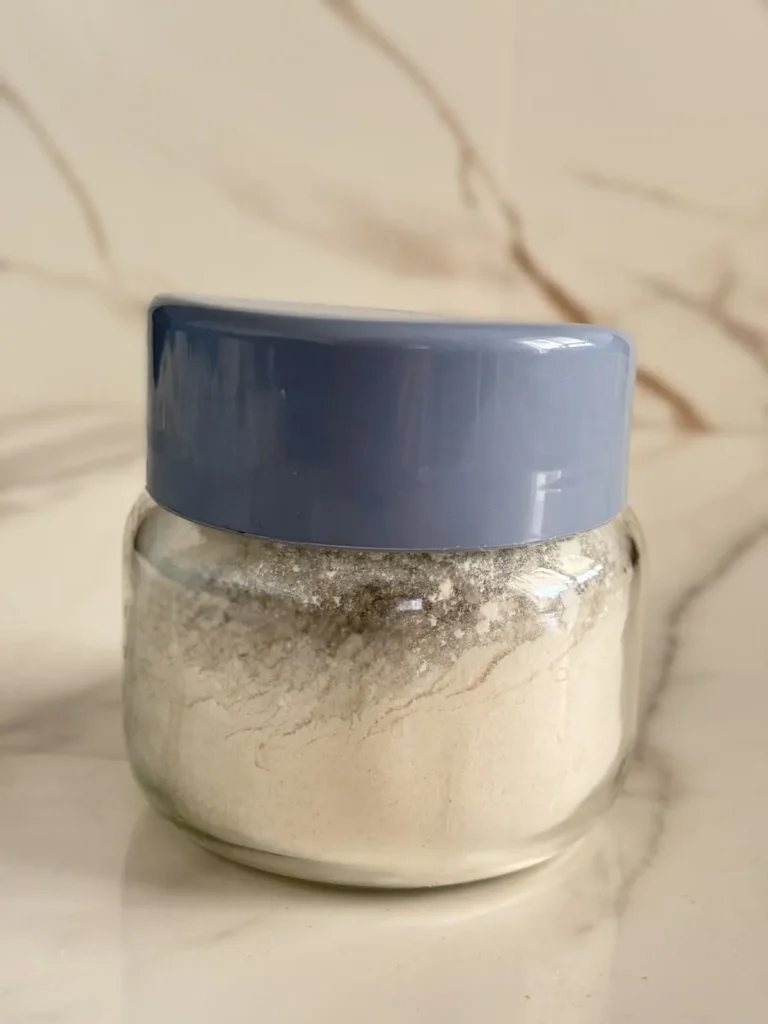
- Use immediately or store in an airtight container.



Awesome!